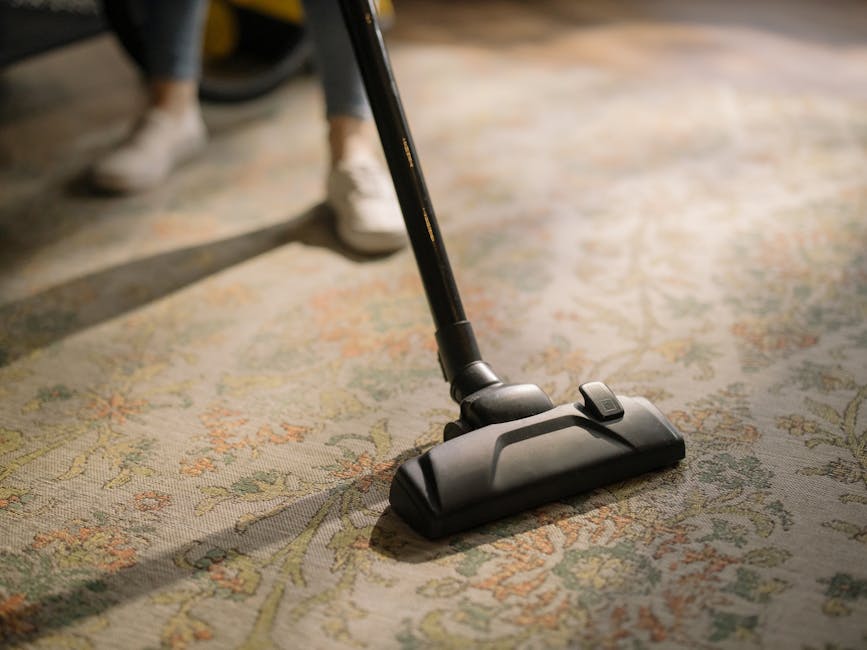
Hidden charges in East Finchley carpet cleaning what to avoid

If you have ever compared carpet cleaning quotes and felt that something was a little off, you are not imagining it. Hidden charges in East Finchley carpet cleaning what to avoid is a very real concern for local homeowners, tenants, landlords, and small businesses who just want a straight answer and a clean carpet. The trouble usually starts with a tempting low quote, then the extras appear: stairs, parking, stain treatment, minimum call-out fees, heavy furniture moves, or a "special fibre" surcharge. A fair price is one thing. A surprise bill at the end is another.
In this guide, we break down how these hidden costs tend to happen, what to look out for, and how to compare carpet cleaning quotes without getting caught out. You will also find practical checklists, a comparison table, common mistakes, and a realistic example from an East Finchley-style booking. Let's keep it simple, honest, and useful.
Why Hidden charges in East Finchley carpet cleaning what to avoid Matters
Carpet cleaning looks straightforward on paper. Measure the rooms, give a price, turn up, clean, done. In practice, the final bill can shift if the quote was built around vague wording or if certain conditions were not discussed clearly. That matters because carpet cleaning is often booked when people are already dealing with a move, a tenancy check-out, family life, pets, or a patch of damage that needs sorting quickly. Nobody wants an argument at the doorstep over a charge they never agreed to.
In East Finchley, where homes vary from compact flats to larger period properties, the mix of stairs, access issues, and different carpet types can make pricing more complicated. A quote that looks cheap at first can become expensive once the cleaner arrives and starts adding "extras." That does not always mean the company is dishonest. Sometimes the pricing is simply incomplete. But from your point of view, incomplete pricing is still a problem.
The main reason this topic deserves attention is trust. If a company is clear about what is included, you can compare like for like. If they are not, you may end up paying more than planned or choosing the wrong provider based on a headline price that was never realistic. Truth be told, the cheapest quote is rarely the cheapest job once all the bits are counted.
Key takeaway: the real risk is not just overpaying; it is paying for a service that was never explained properly in the first place. Clear pricing is part of good service, not a bonus.
How Hidden charges in East Finchley carpet cleaning what to avoid Works
Hidden charges usually appear in one of three ways. First, they are left out of the first quote and added later. Second, they are described vaguely enough that the customer does not understand what they mean. Third, the quoted price is valid only under very narrow conditions that are not made obvious until the appointment is underway. A low "from" price is not automatically bad, but it should come with clear rules.
Here is how the most common charging patterns tend to work:
- Base price only: the quote covers the standard clean, but stain treatment, deodorising, or protection are extra.
- Room-based pricing: the cleaner prices each room individually, but hallways, landings, and closets are charged separately.
- Condition-based pricing: heavily soiled carpets, pet odour, or lingering marks are billed as specialist work.
- Access-based pricing: stairs, parking difficulties, or long carries from the van increase the total.
- Minimum charge rules: a small job still costs a set minimum, even if the actual cleaning time is short.
Some of these are normal business practices. The issue is disclosure. If a company tells you upfront that a stain removal treatment is optional and priced separately, fair enough. If the same treatment suddenly appears as an unavoidable line on the invoice after the work begins, that is where people feel trapped.
Another thing to watch is wording like "subject to inspection," "additional treatment may apply," or "price can vary depending on soiling." Those phrases are not necessarily red flags on their own. They simply mean you should ask follow-up questions before booking. You want enough detail to understand what could change the bill and by how much.
A small practical point: if the quote arrives by phone, text, or email and feels a bit too quick, slow it down. Ask what is included, what is not, and what happens if the cleaner finds extra stains or furniture to move. Five careful minutes now can save a slightly awkward conversation later. Nobody likes that moment when the machine is already unpacked and the invoice suddenly looks larger than expected.
Key Benefits and Practical Advantages
A clear approach to pricing does more than protect your wallet. It improves the whole experience from the first call to the final walkthrough. And in real life, that is usually what people want most: no drama, no guessing, no last-minute surprises.
- Better budgeting: you can plan the real cost before the appointment.
- Cleaner comparisons: you compare providers on genuine value, not just the headline number.
- Less stress on the day: everyone knows what will happen before the van arrives.
- More trust: transparent pricing usually goes hand in hand with better service habits.
- Fewer disputes: clear expectations reduce the chance of disagreement after the clean.
- Smarter add-on decisions: you can choose stain protection or deodorising only if you actually need it.
There is also a practical benefit for landlords and tenants. If a property needs end-of-tenancy cleaning, price clarity helps with planning and reduces the chance of disagreements over what the cleaning company promised. For families and pet owners, it is especially useful because carpet issues are often not just "dirty carpet" issues. They can involve odour, traffic lanes, old spills, or a bit of mystery damage from last winter that nobody quite wants to talk about.
Another advantage is quality control. When a company is specific about what it charges for, it is usually more specific about the cleaning process too. That often means better explanations of pre-treatment, drying time, fibre care, and aftercare. You are not buying a magic trick. You are buying a process.
Who This Is For and When It Makes Sense
This topic matters to more people than you might think. If you live in East Finchley or nearby and are booking carpet cleaning, you probably fall into one of these groups:
- Homeowners who want a fair price for periodic deep cleaning.
- Renters who need evidence of good care before moving out.
- Landlords and letting agents who need reliable, repeatable pricing for multiple properties.
- Families with children where spills and heavy foot traffic happen, well, all the time.
- Pet owners dealing with odour, hair, or accidental stains.
- Small offices and local businesses looking at commercial carpet maintenance.
It also makes sense when your carpet is not in "routine clean" condition. Maybe there has been a party, a spilled drink, a muddy hallway after a wet week, or a stubborn patch near the sofa that refuses to budge. In those cases, extra work may be needed, but the cost should still be explained clearly before the brush heads start spinning.
If you are comparing companies for the first time, this guide is especially useful. If you have booked carpet cleaners before and felt the total was higher than expected, it may help you spot the warning signs sooner next time. Experience helps, but only if you know what to look for.
For readers who want to understand service pages more broadly, the main carpet cleaning service page is a useful place to see how a standard offering is usually framed before looking at extras or specialist treatments.
Step-by-Step Guidance
If you want to avoid hidden charges, use a simple process. Do not rush it. The awkwardness of asking questions is much smaller than the awkwardness of paying for something unexpected.
- Describe the job clearly. Say how many rooms, whether there are stairs or landings, whether the property is furnished, and if there are any known stains or pet issues.
- Ask what the quote includes. Check whether it covers pre-treatment, furniture movement, deodorising, stain lifting, and drying guidance.
- Ask what costs extra. Make them name likely add-ons instead of leaving it vague. If they mention "special treatment," ask for examples.
- Confirm access details. Parking, long carries, locked gates, or upper-floor flats can affect the price. Better to know now.
- Request the total or a clear pricing range. A good provider should be able to explain the likely final figure, or at least the limits of variation.
- Check whether VAT or fees are included. Some quotes look lower because tax or card fees are not shown upfront.
- Get the main points in writing. Email or message confirmations are useful if anything needs to be checked later.
- Inspect before work begins. Walk through the rooms with the cleaner and point out the worst marks.
- Ask before agreeing to extras on the day. If an add-on is suggested, pause and ask how much it changes the price.
- Check the invoice before paying. Make sure the final amount matches what was discussed.
A good habit is to ask one very plain question: "If nothing changes, what exactly will I pay?" It sounds almost too simple, but it cuts through a lot of confusion. Another useful one is: "What would make that price go up?" The answer tells you a lot about how the company works.
If a provider struggles to answer directly, that is useful information too. Not always a deal-breaker, but useful. Very useful.
Expert Tips for Better Results
After enough carpet cleaning conversations, a pattern becomes obvious: the best value usually comes from clear communication, not from chasing the lowest sticker price. A few practical tips can make a real difference.
- Send photos if asked. A few clear images of stains, rooms, and access points can make pricing more accurate.
- Separate standard cleaning from specialist treatment. This helps you see whether extras are optional or essential.
- Ask about fibre type. Wool, synthetic, and blended carpets can need different methods, and that may affect the quote.
- Be honest about the condition. If the carpet has pet odour or a stubborn spill, say so. Surprises help no one.
- Check for minimum charges. Small jobs can still have a fixed call-out or booking minimum.
- Look for clarity, not just politeness. A friendly tone is nice, but clarity is what protects you.
One small but useful tip: ask whether the company charges per room, per square metre, or by package. Different systems can look similar at first, yet they produce very different final totals. The more you understand the pricing model, the easier it is to spot a mismatch.
Also, if the carpet is near a busy entrance or hallway, mention that early. Those areas often take more wear and sometimes need pre-treatment. A cleaner should explain that plainly, not bury it in jargon. "Traffic lane" is just a fancy way of saying "the bit everyone walks on after taking their shoes off, then off again, then possibly a dog runs through it."
For stain-heavy jobs, a specialist service such as stain removal may be relevant, but only if the extra treatment is properly explained and genuinely needed. Do not accept vague wording when a specific explanation should be available.
Common Mistakes to Avoid
Most people do not get caught by hidden charges because they are careless. They get caught because the booking process is busy, rushed, or too polite. Fair enough. Still, some mistakes are worth avoiding.
- Only comparing the cheapest headline price. That can miss extras that make the final bill higher.
- Assuming "from" means "all in." It often does not.
- Not mentioning stairs or access issues. These details can change the job significantly.
- Ignoring add-on wording. Terms like optional, specialist, or additional should be questioned.
- Forgetting furniture. Moving heavy items can be extra work unless included.
- Not checking the invoice. Small fees can slip in if nobody reviews the total.
- Agreeing on the doorstep without pausing. If a new cost appears, take a minute and ask for a full explanation.
The biggest mistake, in practice, is silence. If something is unclear, say so. You are not being difficult. You are doing the sensible thing. A decent company should respect that, and honestly, the good ones usually do.
Another trap is assuming every surcharge is a hidden charge. Sometimes there really is an extra cost because the job is more complex than first described. The goal is not to avoid every extra. The goal is to avoid surprise extras.
Tools, Resources and Recommendations
You do not need special software to avoid bad pricing, but a few simple tools and habits help a lot. A notes app, camera, and email thread can be more useful than any flashy sales pitch.
- Phone photos: useful for showing room size, stain severity, and access conditions.
- Written quote request: helps keep the pricing discussion consistent.
- Room list or floor plan: handy if you are booking a larger property or office.
- Invoice review: check line by line before payment, especially if extras were discussed.
- Company policy pages: pricing, terms, insurance, and complaints information can tell you a lot about how a business operates.
If you are comparing providers, it is worth reviewing the company's pricing and quotes information carefully, along with the terms and conditions. Those pages often reveal whether extras are explained in plain language or tucked away in a vague line or two.
For peace of mind, many customers also check insurance and safety, plus the company's about us page. Not because every line there will affect pricing, but because a well-run business tends to be transparent across the board.
If payment details matter to you, especially for card security or invoicing, the payment and security page is worth a look. And if you ever need to raise a concern, the complaints procedure should be easy to find and straightforward to understand. Simple as that.
Law, Compliance, Standards, or Best Practice
Carpet cleaning pricing is not usually about some dramatic legal edge case. It is more about honesty, consumer fairness, and clear trading practice. In the UK, businesses are generally expected to describe services accurately and not mislead customers with pricing that is incomplete or unclear. That means a quote should not be designed to look cheaper than it really is once normal extras are added.
Best practice is straightforward: explain the service, list likely add-ons, make any limitations visible, and confirm the final amount before work begins whenever possible. If a cleaner has to adjust the price because the job turns out to be materially different from what was described, that should be explained calmly and reasonably. No games.
From a customer point of view, the useful standards are not complicated. Ask for transparent pricing, keep written records, and do not agree to work you have not understood. If the business has clear policies on privacy, accessibility, health and safety, and complaints, that usually signals a more organised operation. You may not need those policies every day, but when something goes wrong, they matter a lot.
For example, if someone is coming into your home with equipment, hoses, and cleaning solutions, it is sensible to know that the company treats safety and liability seriously. That is why pages like health and safety policy and modern slavery statement can matter as signs of broader business responsibility, even if they are not about pricing directly.
Options, Methods, or Comparison Table
Different pricing styles create different risks. The table below is a simple way to compare them. It is not about naming one method as perfect. It is about understanding what you are actually being offered.
| Pricing approach | How it usually works | Potential hidden charge risk | What to ask |
|---|---|---|---|
| Fixed room price | One set amount per room or area | Extras may still apply for stains, stairs, or access | What exactly counts as a room, and what is excluded? |
| From price | Starting price that can rise depending on conditions | High, if the conditions are not clear | What would move the price above the "from" figure? |
| Inspection-based quote | Cleaner assesses the job before confirming the cost | Lower, if the inspection is honest and explained well | Will the final price be confirmed before work starts? |
| Package pricing | Cleaning bundled with extras such as deodorising or protection | Medium, if the package includes things you do not need | Can the package be adjusted to suit the room? |
| Specialist treatment pricing | Extra charge for stains, pet odour, or delicate fibres | Usually fair when clearly described | Is the treatment optional or essential? |
For many customers, the best option is not the lowest fixed number but the clearest quote. In practice, clarity often saves money and hassle. That is the part people remember later.
If you are comparing broader service options, it can also help to understand related offerings such as steam carpet cleaning or commercial carpet cleaning, because the method and the property type can affect what is included in the quote.
Case Study or Real-World Example
Imagine a two-bedroom flat in East Finchley with a small hallway and a living room that sees plenty of foot traffic. The customer gets two quotes. The first says "carpet cleaning from GBPX," but offers little detail. The second is slightly higher, but it lists what is included: pre-treatment, standard cleaning, light stain work, and an explanation of what would count as an extra.
At first glance, the cheaper quote feels tempting. Then the customer mentions a wine stain by the sofa, a narrow staircase, and a need to move one sofa and a coffee table. Suddenly the first company adds several charges. By the end, the total is no longer cheaper. It might even be higher.
The second company, by contrast, had already explained that stain-heavy patches might need extra treatment, but they also gave a clear upper limit and asked for photos in advance. The customer knew what to expect. There was no drama at the door, no sighing over the invoice, and no awkward "oh, that wasn't included."
This is the key lesson: hidden charges are often less about the amount and more about the surprise. A fair extra can still feel unfair if it appears too late. The cleaner may think they are being practical. The customer just feels ambushed. And once that feeling sets in, trust drops fast.
In a local context, that matters because people often recommend service providers by word of mouth. One poor billing experience can linger longer than a very clean carpet. Strange but true.
Practical Checklist
Use this checklist before you book. It is short on purpose.
- Have I described the rooms, access, and carpet condition clearly?
- Do I know exactly what the quote includes?
- Have I asked about stains, odour, furniture, stairs, and parking?
- Is the price fixed, estimated, or "from" a lower figure?
- Do I understand which services are optional extras?
- Have I asked whether VAT, card fees, or minimum charges apply?
- Is the quote confirmed in writing?
- Do I know what happens if the cleaner finds more work than expected?
- Have I checked the company's terms, insurance, and complaints process?
- Am I comfortable that the final price is realistic, not just attractive?
If you can tick most of those boxes, you are already ahead of many people. Not because you are fussy, just because you are being sensible. There is a difference.
Get a free quote today and see how much you can save.
Conclusion
Hidden charges in East Finchley carpet cleaning what to avoid really comes down to one thing: clarity. The best way to protect yourself is not to assume the cheapest quote is the best quote, but to ask simple, specific questions before anyone starts work. Find out what is included, what costs extra, and what could change the final price. Keep it in writing where possible. That is usually enough to avoid most of the common pitfalls.
Good carpet cleaning should leave your rooms fresher, not your head spinning over the bill. If a company is transparent, the whole process feels easier, calmer, and more trustworthy. And frankly, that is what most of us want at the end of a long day: a clean carpet, a fair price, and no surprises.
If you are still comparing options, take your time. The right provider should be able to explain their pricing without making it feel like a puzzle. You deserve that much.
Frequently Asked Questions
What are the most common hidden charges in carpet cleaning?
The most common hidden charges are extra costs for stairs, heavy furniture moving, stain treatment, pet odour removal, minimum booking fees, parking or access issues, and VAT or card fees that were not mentioned clearly at the start.
How can I tell if a carpet cleaning quote is too cheap to be real?
If a quote is much lower than others and the company cannot explain what is included, that is a warning sign. Very low prices often rely on add-ons later, so ask for the final likely total before booking.
Should stain removal always be included in the base price?
Not always. Light stain work may be included in a standard clean, but specialist stain removal often takes extra time, different chemicals, or more testing. What matters is that the company explains it clearly before the appointment.
Are quotes by phone reliable enough?
They can be, but only if the provider asks enough questions and confirms the details in writing. If the quote is given quickly without asking about room size, access, or carpet condition, it may not be reliable.
What should I ask before booking carpet cleaning in East Finchley?
Ask what the price includes, what costs extra, whether the quote covers stairs and furniture, whether VAT is included, and what happens if the cleaner finds more soiling than expected. Those questions do a lot of the heavy lifting.
Is a "from" price a bad sign?
Not necessarily. A "from" price can be useful if it is explained honestly. The problem comes when the conditions for that price are not made clear. If the company says what would increase the cost, that is far more trustworthy.
Do I need to mention pet stains and odours before the visit?
Yes, absolutely. Pet-related issues often need extra treatment, and the cleaner may use different products or methods. Being upfront helps the quote stay accurate and avoids awkward add-ons later.
Can furniture moving cost extra?
Yes. Some companies include light furniture moving, while others charge for larger or heavier items. Always ask what counts as "moveable" and whether the price changes if sofas, beds, or cabinets need shifting.
What if the cleaner finds more damage on the day?
If the job is more complex than described, the cleaner may need to adjust the price. That can be fair, but they should explain why, give you a clear figure, and let you decide before extra work begins.
How do I avoid surprise fees when comparing companies?
Use the same questions for each provider, ask for written confirmation, and compare what is included rather than just the headline price. The more similar the quotes are, the easier it is to spot hidden extras.
Are written terms and conditions worth reading for a small job?
Yes. Even for a small job, the terms can tell you about cancellations, extra charges, payment rules, and complaints handling. You do not need to memorise them, just check the bits that affect money and expectations.
What is the safest way to choose between two carpet cleaning quotes?
Choose the quote that is clearest, not just the one that looks lowest. If one provider explains pricing, access, stains, and extras in plain English, that is usually a better sign than a vague bargain that may grow later.
Where can I learn more about the company before booking?
It helps to review the company's service pages, pricing details, terms, insurance, and complaints information. Those pages show whether the business is organised and transparent, which usually tells you a lot before anyone steps through the door.