Cherry Tree Wood upholstery cleaning after dog mess: a practical guide for cleaner, fresher furniture
If your sofa, armchair, or ottoman has been hit by dog mess, you already know the feeling: a rush of panic, the smell you can't quite ignore, and the small dread that the stain has gone deeper than the surface. Cherry Tree Wood upholstery cleaning after dog mess is not just about making fabric look better again. It is about removing contamination properly, stopping odours from settling in, and protecting the furniture you actually want to keep.
To be fair, dog mess on upholstery is one of those jobs where quick action matters more than heroic scrubbing. The wrong move can push waste deeper into the fibres, spread bacteria, or leave a damp patch that turns into a lingering smell by the next morning. This guide walks you through the sensible, safe approach: what to do first, what to avoid, how professional cleaning typically works, and when it makes more sense to get specialist help. If you are comparing services, it also helps to understand broader options like upholstery cleaning and pet stain and odour removal.
Let's face it, no one plans for this sort of mess. But handled properly, most upholstered items can be saved and made to smell fresh again. The key is knowing what not to do.
Contents
- Why Cherry Tree Wood upholstery cleaning after dog mess matters
- How Cherry Tree Wood upholstery cleaning after dog mess works
- Key benefits and practical advantages
- Who this is for and when it makes sense
- Step-by-step guidance
- Expert tips for better results
- Common mistakes to avoid
- Tools, resources and recommendations
- Law, compliance, standards and best practice
- Options, methods and comparison table
- Case study or real-world example
- Practical checklist
- Conclusion
- Frequently asked questions
Why Cherry Tree Wood upholstery cleaning after dog mess matters
Dog mess on upholstery is a hygiene issue first, a cleaning issue second, and a smell issue right behind that. Soft furnishings hold on to moisture, organic residue, and odour far more stubbornly than hard surfaces. Even if the visible mess is gone, tiny particles can remain trapped in the weave, the backing, or the padding beneath the fabric.
That matters because upholstery is often porous. A cotton blend sofa, a textured armchair, or a cushion with deep seams can absorb contamination fast. If you only clean the surface, the fabric may look fine for an hour and then start to smell again once it dries. That is a classic frustration. People think they've solved it, but the furniture quietly tells a different story later that evening.
In a local setting such as Cherry Tree Wood, where homes can be busy, family-oriented, and pet-friendly, the goal is usually not perfection in a laboratory sense. It is practical recovery. You want the room to feel normal again. You want the sofa usable for guests, for movie night, for the dog to stop being suspiciously interested in the same spot. And, if possible, you want to avoid replacing a good piece of furniture because of one unfortunate accident.
There is also a health and safety angle. While most household incidents are manageable, dog mess should be treated as contaminated waste, not just an annoying stain. Careful handling reduces the chance of spreading bacteria around the room or onto your hands, cloths, and nearby items. That is why proper cleaning technique really does matter.
Expert summary: The faster you remove the mess, the less likely it is to bond with the fibres, soak into the padding, and leave a persistent odour. Gentle, targeted cleaning almost always beats aggressive rubbing.
How Cherry Tree Wood upholstery cleaning after dog mess works
The process depends on the fabric, the size of the mess, and how long it has been there. A fresh incident and a dried-in one are very different jobs. But the general approach is usually the same: remove solids, lift residue carefully, treat odour, then extract moisture without over-wetting the upholstery.
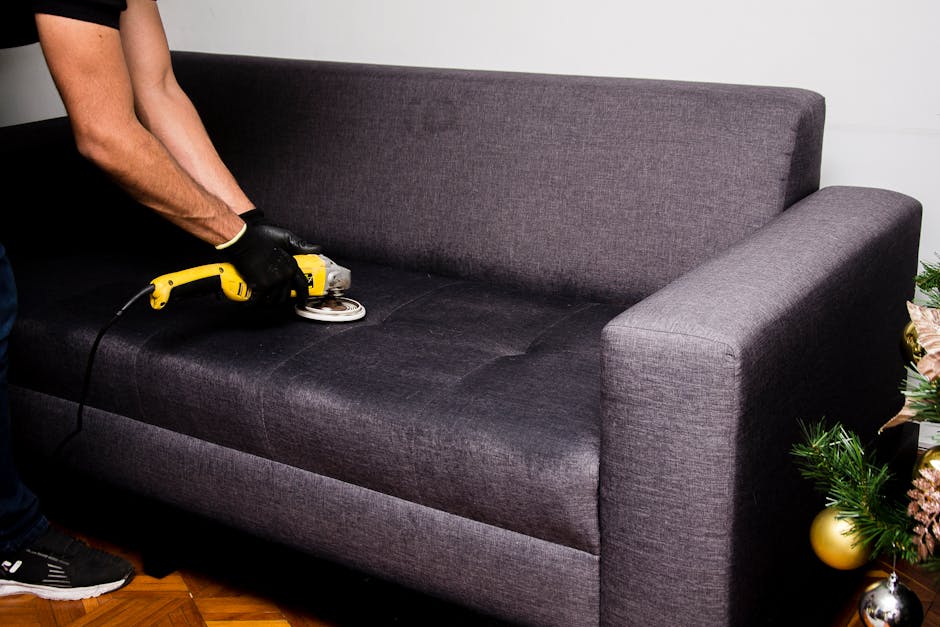
Professional upholstery cleaning typically starts with an inspection. The cleaner identifies the fabric type, checks the manufacturer's cleaning code if available, and looks for dye stability, seam construction, and any existing wear. That sounds technical, but it is just a sensible way to avoid causing damage. Some fabrics tolerate water-based cleaning well; others are more delicate and need a drier method or a specialist solvent approach.
After that comes pre-treatment. A cleaning solution may be applied to break down organic matter and help release the stain. For dog mess, the aim is usually twofold: remove visible soiling and tackle the source of odour. A vacuum or extraction step then removes the loosened residue. If the fabric is suitable, a low-moisture hot water extraction may be used carefully. If not, the cleaner may use a more controlled spot-treatment process.
Drying is a big part of the job. If furniture stays damp, you can get lingering odour, water marks, or in some cases a bit of a stale smell that defeats the point of the clean. Good ventilation helps. In practice, many jobs are left with windows open slightly and airflow improved using fans or simply the natural warmth of the room. Not fancy. Just effective.
For heavily affected upholstery, a repeat treatment may be needed. That is normal, especially where the mess has soaked into foam cushions or been left overnight. Truth be told, the deeper the contamination, the more patience the process asks for.
Key benefits and practical advantages
A proper clean does more than tidy up the obvious mess. It restores confidence in the furniture. That sounds a bit grand, but if you've lived with a smelly sofa for a week, you know exactly what I mean.
- Odour reduction: The biggest win is usually smell removal. Organic residue has a way of lingering, especially in warm rooms.
- Stain improvement: Even if a mark does not vanish completely, proper treatment can significantly reduce its visibility.
- Hygiene recovery: Thorough cleaning removes residue that a household spray or wipe often leaves behind.
- Furniture protection: Careful methods reduce the risk of fibre damage, colour fade, or overwetting.
- Longer upholstery life: Treating contamination correctly can help delay the need for replacement or reupholstery.
- Better room comfort: A clean sofa changes how the whole room feels. You notice it immediately.
There is also a quieter benefit: peace of mind. Once the smell has gone, you stop noticing the furniture every time you sit down. That alone is worth a lot.
Who this is for and when it makes sense
This kind of cleaning is for anyone with upholstered furniture affected by dog mess, whether it is a sofa, footstool, dining chair, pet bed, or fabric headboard. It is especially useful if the incident has gone beyond a simple surface mark.
It makes sense to get the upholstery professionally cleaned when:
- the mess has dried into the fabric
- there is a strong odour after the visible stain has been removed
- the upholstery is pale, textured, or delicate
- the stain has reached cushions, seams, or piping
- you have already tried DIY spot cleaning and made it worse
- the furniture is valuable, sentimental, or expensive to replace
On the other hand, if the issue is tiny and fresh, a careful home response may be enough. The trick is not to overestimate how much rubbing can achieve. Often it does less than people hope and more damage than they realise. A bit annoying, really.
If your home has other pet-related cleaning needs too, services such as sofa cleaning, rug cleaning, and mattress cleaning can be relevant where contamination has spread beyond one item.
Step-by-step guidance
If you catch the mess in time, here is the sensible order to follow. The goal is to remove contamination without driving it further into the upholstery.
- Protect yourself first. Put on disposable gloves if you have them. Keep pets and children away from the area.
- Remove solids carefully. Use disposable paper or a blunt edge to lift the mess away. Do not smear.
- Blot, don't rub. Press gently with clean absorbent paper or a white cloth. Rubbing pushes residue into the fibres.
- Check the fabric type. If you can find the cleaning code or care label, follow it. If not, be cautious and test any product on a hidden area first.
- Apply the right treatment. Use a suitable upholstery cleaner or a specialist pet stain treatment in small amounts. Avoid soaking the fabric.
- Work from the outside in. This helps stop the stain spreading into a larger ring.
- Lift residue. Blot again with a clean dry cloth to remove loosened contamination and moisture.
- Treat the odour. A proper odour treatment is important. Otherwise the stain may fade while the smell remains.
- Dry thoroughly. Improve ventilation and let the fabric dry fully before use.
- Assess the result. If the smell persists, or the stain is still visible after drying, a more thorough clean may be needed.
If the fabric is water-sensitive, delicate, or previously damaged, stop before experimenting. That is the moment to get proper advice rather than risking a permanent mark.
Expert tips for better results
A few small decisions make a big difference.
First tip: act before the stain dries. Fresh contamination is easier to remove because it has not bonded tightly with the fibres. Once it dries, the work becomes slower and a bit more stubborn.
Second tip: use white cloths. Coloured towels can transfer dye, which is the sort of mistake that turns one problem into two. Not ideal.
Third tip: avoid over-wetting. Upholstery is not a tile floor. Too much liquid can push waste deeper and may leave a water mark or a musty smell.
Fourth tip: neutralise odour properly. A fragranced spray can mask the smell for an hour. It does not remove the source. Proper cleaning does.
Fifth tip: check the padding. If the smell keeps returning, the issue may be under the fabric, not on it. That is where professional extraction becomes useful.
Sixth tip: do a small test spot. Especially on dyed fabrics, velvet-like materials, or older upholstery. One tiny test patch can save a lot of grief.
And one more practical thought: if the room feels warm and close, open a window sooner rather than later. A little airflow really helps. Simple, but it works.
Common mistakes to avoid
Most bad outcomes come from good intentions done too fast. That's the awkward truth.
- Rubbing hard: This spreads the mess and can rough up the pile or nap of the fabric.
- Using too much water: It can soak into the cushioning and prolong drying time.
- Using bleach or harsh disinfectants: These can damage colour and fibres, and the smell is often worse than the original problem.
- Covering the smell with perfume: It hides the issue instead of solving it.
- Ignoring the underside or cushion core: If the stain penetrated through, the top layer alone is not enough.
- Putting the item back into use too early: Damp upholstery can re-emit odour and feel sticky or flat.
- Assuming one pass will be enough: Deep contamination often needs a second, careful round.
A common mistake I see, broadly speaking, is people treating upholstery like a sink top. It isn't. Fabric needs patience.
Tools, resources and recommendations
You do not need a suitcase of gadgets, but having the right basics helps.
| Tool or product | What it helps with | Useful note |
|---|---|---|
| Disposable gloves | Hygienic handling | Best for immediate cleanup |
| Paper towels or white absorbent cloths | Blotting and lifting moisture | Use white to avoid dye transfer |
| Upholstery-safe cleaner | Targeted stain treatment | Check fabric compatibility first |
| Odour treatment designed for pet mess | Neutralising smell at the source | Not all fresheners are equal |
| Soft brush | Gently working product into fibres | Use lightly, not aggressively |
| Fan or open-window ventilation | Drying the area properly | Drying is part of cleaning |
If you are comparing professional help, ask about fabric inspection, stain pre-treatment, drying expectations, and whether odour removal is included. Those questions tell you a lot. A service that can explain its process clearly usually understands the job properly. For local pricing questions, the site's pricing and quotes page is the best place to begin.
For customers who want a fuller overview of service standards and what to expect from the business, the pages on about us, insurance and safety, and health and safety can be useful reading.
Law, compliance, standards and best practice
For household upholstery cleaning, the main compliance point is straightforward: cleaning should be carried out safely, with due care for the property, occupants, and any cleaning chemicals used. You do not need to become a legal expert to have your sofa cleaned, but it helps to understand a few sensible norms.
In the UK, good practice usually includes using suitable products for the material, following manufacturer care instructions where available, and avoiding unnecessary water damage. If a cleaner is working in someone's home, they should also take reasonable steps to protect floors, nearby furniture, and electrical items. That is just professional conduct, really.
Where pet mess is involved, hygiene matters too. Contaminated materials should be handled carefully and disposed of appropriately. Cleaners should also avoid making exaggerated claims about "sterilising" furnishings unless they can explain exactly what they mean. It is better to be clear and careful than flashy and vague.
If you are hiring a company, it is sensible to look for transparent terms, clear payment information, and a complaints process you can understand. Those details are not glamorous, but they matter. You can review the site's terms and conditions, payment and security, and complaints procedure pages for that sort of reassurance.
Options, methods and comparison table
Not every job needs the same method. The best route depends on the fabric, the depth of contamination, and how much odour remains after the first clean.
| Method | Best for | Pros | Limitations |
|---|---|---|---|
| Careful DIY spot treatment | Fresh, small incidents | Fast, low cost, immediate response | Limited on deep stains and odour |
| Hand cleaning with upholstery-safe products | Light to moderate surface soiling | More control than heavy soaking | Can be tricky on delicate fabrics |
| Professional upholstery cleaning | Set-in stains, odour, larger affected areas | Better extraction, deeper treatment, safer fabric handling | Usually costs more than DIY |
| Specialist pet stain and odour treatment | Contamination that has reached padding | Targets the smell source directly | May need repeat treatment if severe |
For many homes, the sensible answer is a mix: quick first aid at home, followed by professional cleaning if the stain or smell does not fully clear. That approach tends to save time and furniture. Simple as that.
Case study or real-world example
Here's a very ordinary example, which is exactly why it is useful. A family returns home after a dog has had an accident on a fabric sofa while they were out. They spot it later in the day. The visible mess is removed quickly, but a faint smell remains the next morning. The sofa is in a living room used every day, so nobody wants to live with that.
They try a supermarket cleaner first, then make the classic mistake of using too much liquid. The stain looks lighter, but the smell comes back when the room warms up in the evening. That is the giveaway. The residue has gone deeper than the surface fabric.
At that point, a proper upholstery clean makes more sense. The cleaner inspects the fabric, pre-treats the affected area, extracts the contamination carefully, and checks whether the odour is coming from the foam beneath the cover. In many cases like this, the furniture is salvageable. It may not look brand new, but it becomes usable again and stops drawing attention every time someone sits down. Which, frankly, is the real victory.
That sort of result is what most people want: not a showroom finish, just a clean, liveable home again.
Practical checklist
Use this quick checklist before, during, or after cleaning:
- Put on gloves and keep pets away from the area
- Remove solids carefully without rubbing
- Blot with white absorbent cloths or paper towels
- Check the upholstery care label if available
- Test any cleaner on a hidden patch first
- Use only a small amount of product
- Treat odour, not just the visible stain
- Dry the area fully with airflow and patience
- Repeat only if the fabric and care instructions allow it
- Call a professional if the stain has spread, dried in, or reached the padding
If you want the job handled professionally, the most direct next step is to request a quote and explain the fabric type, the size of the mess, and whether the smell has gone into the cushion. That gives a cleaner a much better starting point and usually saves time on both sides.
Get a free quote today and see how much you can save.
Conclusion
Cherry Tree Wood upholstery cleaning after dog mess is one of those jobs where calm beats panic every time. Remove the contamination carefully, protect the fabric, treat the odour properly, and do not rush the drying. If the mess is old, widespread, or stubborn, specialist cleaning can often rescue the furniture far more effectively than repeated DIY attempts.
There is no magic trick here. Just good process, a bit of patience, and the right method for the material in front of you. Do that well, and a sofa that felt ruined in the morning can feel perfectly liveable again by the end of the day. That's a good feeling, actually.
And if you are weighing up whether to tackle it yourself or bring in help, trust your nose as much as your eyes. The smell usually tells the truth.
Frequently Asked Questions
How quickly should I clean dog mess from upholstery?
As soon as possible. Fresh mess is easier to remove and less likely to sink into the fibres or reach the cushion filling. The longer it sits, the more likely you are to be left with odour and a deeper stain.
Can I use bleach on a sofa stain?
No, not usually. Bleach can damage colour, weaken fibres, and leave its own strong smell behind. It is safer to use an upholstery-safe product matched to the fabric type.
Why does the smell come back after I clean it?
Usually because residue is still trapped in the fabric or padding. The visible stain may be gone, but the source of the odour has not been fully removed. That is common with porous upholstery.
Is steam cleaning safe for dog mess on upholstery?
Sometimes, but not always. It depends on the fabric and how deep the contamination has gone. Steam or hot water extraction can be effective on suitable materials, but delicate fabrics may need a different method.
What should I do before a professional cleaner arrives?
Try not to over-handle the area. Remove any loose residue carefully, keep pets away, and let the cleaner know what the fabric is if you can tell. The more information they have, the better.
Can all upholstery stains be removed completely?
Not always. Some stains, especially if left for a long time or treated with the wrong product, may leave a faint shadow. Good cleaning can still reduce both the mark and the odour significantly.
How do I know if the stain has reached the cushion filling?
If the smell persists after surface cleaning, or the fabric feels damp for a long time, the contamination may have soaked deeper. That is a good sign you may need specialist extraction.
Is professional upholstery cleaning worth it for a small dog mess incident?
If the incident is fresh and tiny, DIY may be enough. If the stain has dried, the smell remains, or the fabric is valuable, professional cleaning is usually the safer choice.
Will cleaning damage delicate fabric like velvet or linen?
It can if the wrong method is used. Delicate fabrics need careful testing and the right technique. That is why fabric identification matters before any cleaning begins.
How long does upholstery take to dry after cleaning?
Drying time varies with the fabric, the amount of moisture used, and the room ventilation. The important thing is not to use the furniture too early. Let it dry fully to avoid recurring smell or water marks.
What if the dog mess has already dried into the sofa?
Then the job is harder, but not hopeless. Dried contamination usually needs pre-treatment, careful lifting, and proper extraction. Avoid aggressive scrubbing, because that usually makes the problem bigger.
Where can I find more help with related pet stains?
If the issue extends beyond upholstery, you may also want to look at services such as stain removal or carpet cleaning for nearby fabrics and floor coverings that need attention.